


A turmeric curcumin supplement can genuinely help with inflammation, joint pain, and skin health—but only if you pick the right one and actually use it consistently. Here's what decades of research actually shows, and how to know if it's right for you.
In this article
- What Makes a Turmeric Curcumin Supplement Work
- What Clinical Research Actually Says
- How to Use a Turmeric Curcumin Supplement Properly
- Why Product Quality Actually Matters Here
- Common Uses and Real Results
- Who Should Actually Take a Turmeric Curcumin Supplement
- Building a Routine That Actually Sticks
- Bottom Line on Turmeric Curcumin Supplements
What Makes a Turmeric Curcumin Supplement Work
Curcumin is the active compound in turmeric that does the heavy lifting. It's an anti-inflammatory powerhouse with solid clinical backing for everything from arthritis pain to eczema flare-ups. The catch? Your body doesn't absorb plain turmeric powder very well on its own.
That's why a turmeric curcumin supplement worth buying includes absorption enhancers. Black pepper extract (called BioPerine) is the gold standard—it can boost curcumin absorption by up to 2,000%. Look for supplements listing 95% curcuminoids on the label. That's the marker of potency.
When you're comparing options, check for Non-GMO certification and transparent sourcing. If a brand won't tell you where the turmeric came from or how much curcumin is actually in each serving, skip it.
Related: Lion's Mane Mushroom Supplement: Does It Actually Work?
What Clinical Research Actually Says
Small clinical trials have shown real results for specific uses. For osteoarthritis and rheumatoid arthritis, curcumin consistently reduced pain and swelling when taken daily. Peer-reviewed research on PubMed documents these benefits across multiple studies.
For skin conditions like eczema and psoriasis, daily doses of 500–2,000 mg showed symptom improvement over 8–12 weeks. Dermatologists recommend starting low and increasing gradually, especially if you have sensitive skin.
Digestive health, seasonal allergies, and general inflammation also show promise in the research. But honest truth: curcumin isn't a miracle cure. It works best as part of a consistent routine combined with other healthy habits.
How to Use a Turmeric Curcumin Supplement Properly
Dosing matters. Most studies showing real results used between 500 and 2,000 mg of curcumin daily. Start at the lower end—500 mg—and see how your body responds over 4–6 weeks. You won't feel anything immediately. This isn't caffeine.
Take it with food and healthy fat. Curcumin is fat-soluble, meaning it absorbs better when you eat it with eggs, avocado, olive oil, or nuts. Timing doesn't matter much, but consistent daily use does.
If you're applying turmeric products to your skin, dermatologists recommend clean, dry skin in the morning. Do a 48-hour patch test on a small area away from your face first—turmeric can stain skin temporarily and cause irritation in people with very sensitive skin.
Most supplement bottles contain 90 capsules, which lasts about a month at standard dosing. Plan to take it consistently for at least 8 weeks before deciding whether it's working for you.
Why Product Quality Actually Matters Here
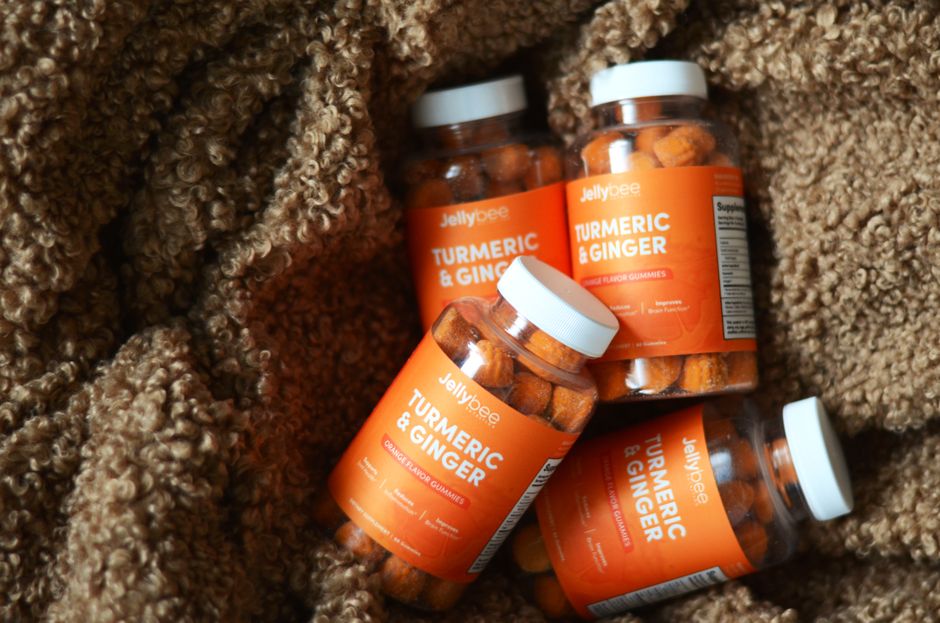
Not all turmeric curcumin supplements are created equal. The difference between a 200 mg capsule with no absorption enhancers and a quality formula with BioPerine is massive—your body will actually use one and basically waste the other.
When shopping, use this checklist: 95% curcuminoids, BioPerine included, Non-GMO certified, and a company that publishes third-party testing results. If a brand is vague about what's in the bottle, that's a red flag.
Functional drink mixes are another option if capsules aren't your thing. OurJrney makes nano turmeric blends designed for bioavailability—the active ingredient is already broken down so your body can absorb it better than standard supplements. That matters if you're actually trying to feel results.
Common Uses and Real Results
Joint pain is probably the most documented use. People with mild to moderate arthritis report noticeable improvement in pain and stiffness after 6–12 weeks of daily use. It won't replace physical therapy or medical treatment, but it genuinely helps.
Skin inflammation—eczema, psoriasis, general redness—responds well to both oral and topical curcumin. Results take longer, though. Expect 8–12 weeks before you see real change in skin texture and irritation levels.
For digestive health and general inflammation, people often report less bloating and faster recovery from workouts. Again, this is subtle. You're not looking for dramatic overnight shifts.
Who Should Actually Take a Turmeric Curcumin Supplement
You're a good candidate if you have chronic inflammation, joint pain, or a skin condition you're managing. You're consistent with daily habits and willing to give it 6–8 weeks before deciding it works.
Related: Immune Support Supplements: What Actually Works
Skip it if you're on blood thinners (curcumin can interact), pregnant, or allergic to turmeric or ginger. If you're on other medications, check with your doctor first—curcumin can affect how your body processes certain drugs.
If you're looking for a quick fix or pain relief that kicks in within hours, this isn't it. A turmeric curcumin supplement is a slow-play investment in long-term inflammation management.
Building a Routine That Actually Sticks
The best supplement is the one you'll actually take every day. Set a reminder on your phone. Pair it with another habit you already do—take it with breakfast or lunch every single day.
Track results loosely. Write down your baseline (joint stiffness level, skin condition, general inflammation) and check in after 8 weeks. You won't notice gradual improvement day-to-day, but you'll see it over months.
If you're mixing it into a functional drink, make it part of your morning routine. The consistency matters way more than the specific time of day.
If you're choosing between multiple brands, prioritize absorption over price. A cheaper supplement with poor bioavailability is a waste of money. Brands like OurJrney focus specifically on bioavailability because they know that's what actually moves the needle for people trying to feel real results.
Bottom Line on Turmeric Curcumin Supplements
A quality turmeric curcumin supplement works. The research is solid, especially for inflammation and joint pain. But you need to pick a good product, use it consistently, and give it time.
Start with 500 mg daily of a formula that includes BioPerine. Take it with food. Wait 8 weeks. Then decide based on how you actually feel, not hype or marketing claims. That's the honest approach.
What's the difference between turmeric and curcumin supplements?
Turmeric is the whole plant powder. Curcumin is the extracted active compound. A curcumin supplement gives you the concentrated active ingredient, so you need smaller doses to feel results. Most modern supplements list curcumin content because that's what actually does the work.
How long does it take to feel results from a turmeric curcumin supplement?
Most people notice subtle improvements after 4–6 weeks of daily use, with more obvious results by 8–12 weeks. It's not like pain medication that kicks in within an hour. You're looking at consistent, slow improvement in inflammation and discomfort over time.
Can you take turmeric curcumin supplements every day?
Yes, daily use is safe for most people at standard doses (500–2,000 mg). It's actually more effective that way. But talk to your doctor if you're on blood thinners, have a turmeric allergy, or are pregnant. Consistency is what matters.
Does a turmeric curcumin supplement actually help with weight loss?
There's some early research on curcumin supporting metabolism and fat oxidation, but it's not a weight loss supplement. It might support your overall health and reduce inflammation, which indirectly helps with fitness goals, but it won't replace diet and exercise.


